









This website uses cookies so that we can provide you with the best user experience possible. Cookie information is stored in your browser and performs functions such as recognising you when you return to our website and helping our team to understand which sections of the website you find most interesting and useful.
How Multi-Sensory Software Can Boost Literacy for Learners with Dyslexia
Why Learners with Dyslexia Need a Different Route into Literacy
For learners with dyslexia, reading and spelling can feel unpredictable. A word that seemed familiar yesterday may feel difficult again today. Letters can be misread, sounds can be hard to hold in memory, and written tasks can quickly become frustrating.
This is not a reflection of effort or ability. Many dyslexic learners work incredibly hard, but they often need literacy teaching that is more structured, more consistent, and easier to process.
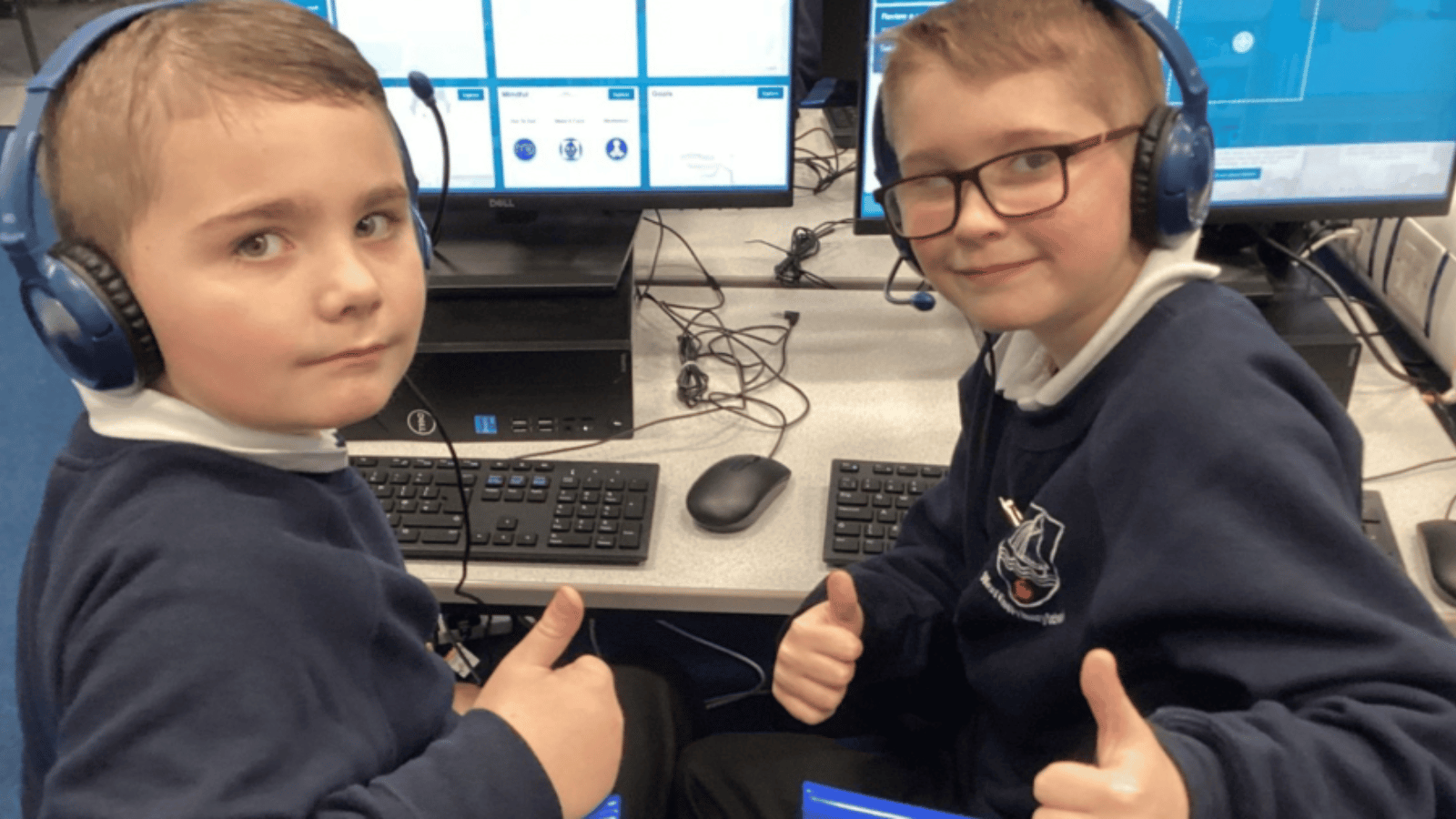
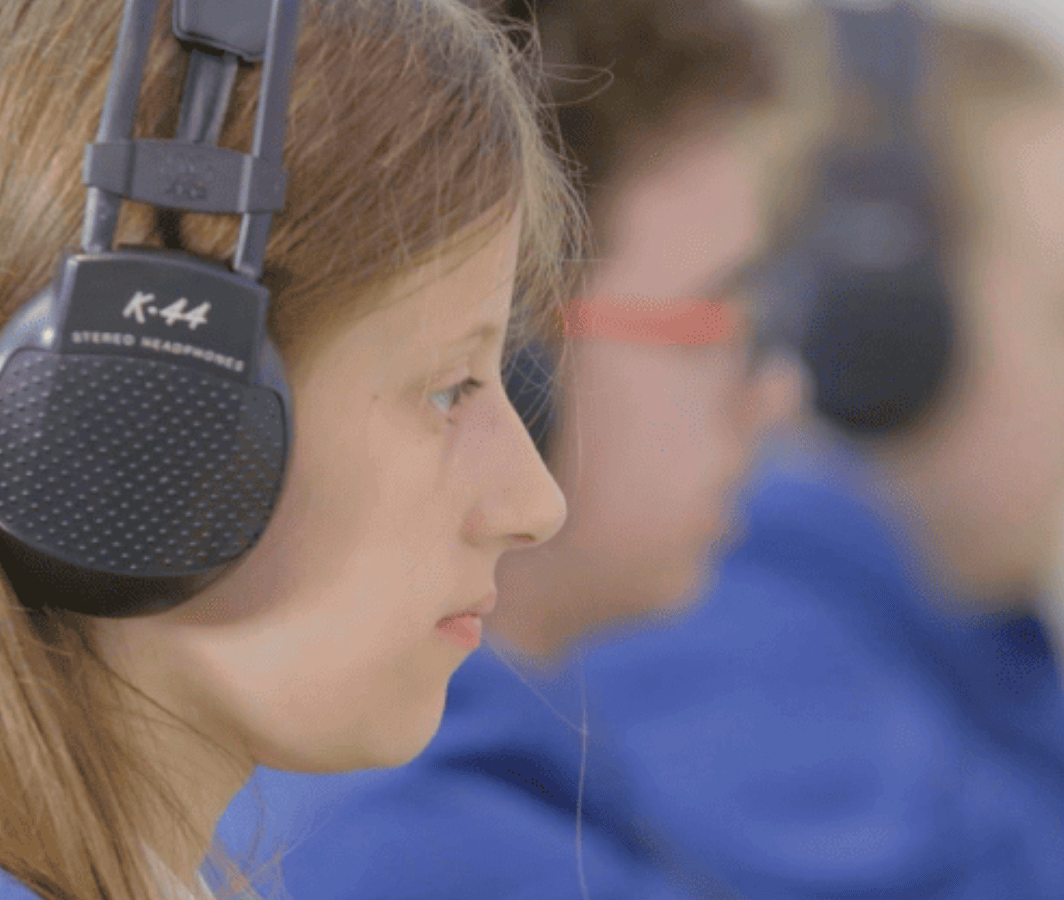
Multi-sensory software can help by presenting literacy in a way that uses more than one channel at once. Instead of relying only on reading from a page, learners can see, hear, say, type, and interact with language in a more supported way.
How Multi-Sensory Learning Supports Reading and Spelling
Multi-sensory learning brings together visual, auditory, and kinaesthetic-tactile elements. In practical terms, this means learners are not just looking at letters or listening to instructions. They are actively engaging with words through sight, sound, and movement.
This approach can be especially helpful for pupils with dyslexia because it gives the brain more than one way to recognise, store, and recall information. A learner might hear a sound, see the word pattern, repeat it aloud, and type or trace the answer. Each step reinforces the learning.
IDL Literacy uses this kind of structured, multi-sensory approach to support pupils who find reading and spelling difficult. Lessons are designed to feel clear and manageable, helping learners build accuracy without feeling overwhelmed.
Find Out More
Why Structure Matters as Much as Engagement
Engaging software is useful, but engagement alone is not enough. Dyslexic learners often need teaching that follows a clear sequence, with regular reinforcement and careful progression from one skill to the next.
IDL products follow key aspects of the Orton-Gillingham approach. This means learning is multi-sensory, structured, sequential, cumulative, and supported through explicit and direct instruction.
For schools, this matters because learners are not left to guess. They are guided through literacy step by step, revisiting key skills often enough for them to become more secure. Over time, this structure helps pupils develop confidence as well as stronger reading and spelling ability.
Start A Free Trial
The Benefits of Multi-Sensory Software for Dyslexic Learners
Multi-sensory software can make literacy support more accessible, consistent, and confidence-building for learners who need a different approach.
- Helps Learners Connect Sounds and Letters: Dyslexic learners may struggle to link sounds with written letters and word patterns. Multi-sensory software strengthens this connection by combining audio prompts, visual cues, and active responses in one learning experience.
- Supports Memory Through Repetition: Reading and spelling skills often need repeated practice before they feel secure. Structured software allows pupils to revisit words, sounds, and patterns regularly, helping learning move from short-term recognition to longer-term recall.
- Reduces Pressure During Literacy Tasks: Many learners with dyslexia feel anxious when asked to read aloud, spell quickly, or complete written work in front of others. Software-based intervention gives pupils space to practise privately and at a pace that feels more manageable.
- Builds Confidence Through Clear Progress: When pupils can see their improvement, literacy begins to feel less intimidating. Progress tracking, achievable lessons, and regular success can help learners recognise that their effort is leading somewhere.
- Encourages More Independent Learning: With the right support, pupils can begin to take ownership of their learning. IDL Literacy allows learners to work independently with minimal supervision, while teachers can still monitor progress and provide support where needed.
Used well, multi-sensory software does more than support literacy. It helps learners rebuild trust in their own ability.
Find Out More
Why Schools Choose IDL Literacy for Dyslexia Support
Schools choose IDL Literacy because it offers structured support that fits around real classrooms, real timetables, and real learner needs.
- Designed for Learners Who Find Literacy Difficult: IDL Literacy was developed to support pupils with dyslexia and other literacy difficulties. The programme gives learners a clear route through reading and spelling, without expecting them to learn in ways that have already proved difficult.
- Based on Multi-Sensory Teaching Principles: IDL combines visual, auditory, and interactive learning so pupils can approach literacy from different angles. This helps learners engage with words more fully and strengthens the link between sounds, patterns, and meaning.
- Proven to Improve Reading and Spelling: Research into IDL Literacy has shown strong improvements in reading and spelling. In the Lifting Barriers project, learners made an average improvement of 10 months in reading and 11 months in spelling after 26 hours on the programme.
- Simple for Schools to Manage: Teachers and support staff need interventions that are effective without being difficult to run. IDL Literacy includes automated lesson plans, progress reporting, and clear learner pathways, making it practical for one-to-one support, small groups, or wider school use.
- Supports Confidence as Well as Attainment: Literacy difficulties often affect self-esteem. IDL helps pupils experience steady success, which can change how they approach reading and spelling. For many learners, that renewed confidence is one of the most important outcomes.
IDL Literacy gives schools a structured, evidence-informed way to support dyslexic learners while helping pupils feel more capable in their own learning.
Start A Free Trial
Frequently Asked Questions About Multi-Sensory Software and Dyslexia
Q1: What is multi-sensory software for dyslexia?
A: It is software that supports literacy by combining visual, auditory, and interactive learning. This helps dyslexic learners process reading and spelling through more than one sense.
Q2: Why is multi-sensory learning useful for dyslexic learners?
A: It gives learners several ways to understand and remember information, which can make reading, spelling, and word recognition more secure.
Q3: How does IDL Literacy support pupils with dyslexia?
A: IDL Literacy uses structured, multi-sensory lessons to help learners improve reading and spelling while building confidence and independence.
Q4: Can IDL Literacy be used across primary and secondary schools?
A: Yes. IDL Literacy is used by primary and secondary schools in the UK and around the world to support learners with literacy difficulties.
Q5: Does multi-sensory software replace teacher support?
A: No. It supports teachers by giving learners structured practice and clear progression, while staff can monitor progress and provide targeted help.
Support Dyslexic Learners with IDL Literacy
Learners with dyslexia often need more than extra practice. They need literacy support that is structured, consistent, and designed around the way they learn best.
IDL Literacy brings together multi-sensory teaching, clear progression, independent learning, and progress tracking to help pupils strengthen reading and spelling skills. It supports learners academically, while also helping them develop confidence in tasks that may once have felt out of reach.
To learn more about how IDL Literacy can support dyslexic learners in your school, contact the IDL team today.