
Common traits of a dyslexic brain include:
1. Creativity
– Many people with dyslexia are very artistic and have better imaginative skills which is a greatly desirable skill in a variety of industries such as marketing design and entertainment
2. Spatial awareness
– People with dyslexia may have the ability to manipulate 3D shapes in their minds which is a useful skill for those in more visual roles such as architects and fashion designers
3. Seeing the bigger picture
– People with dyslexia often see a situation holistically enabling them to focus on the bigger picture rather than little details. This can be an important trait for staff at senior management level as well as those in wider leadership roles
4. Problem solving
– People with dyslexia are fast problem solvers through their ability to think laterally and outside of the box; providing unique methods for problem-solving and offering lots of insight. Problem-solving is a desirable skill for most employers when hiring staff at all levels
5. Recognising complex patterns in images
– The dyslexic brain is generally larger than the typical brain making it highly skilled in recognising complex patterns in images and remembering pictures. People with dyslexia excel at global visual processing and the dyslexic memory is brilliant at mechanical and technical construction and design
6. Entrepreneurship
– Creativity and strategic thinking combined with excellent people skills and problem-solving skills is what makes so many dyslexic entrepreneurs successful. People with an entrepreneurial spirit also tend to make highly motivated employees which can help to drive a business forward.
Many of the world’s richest people have dyslexia including Steve Jobs, Henry Ford and Richard Branson. Other UK celebrities with dyslexia include Keira Knightley, Jamie Oliver, Lewis Hamilton, Holly Willoughby, James Martin and Princess Beatrice with the latter recently referring to the learning difficulty as a ‘gift’.
For more information on these traits visit: https://idlsgroup.com/news/6-dyslexic-superpowers
Adrian Gallagher Head of IDL commented:
“Like any learning disability dyslexia can present challenges to school pupils throughout their education and people with dyslexia might feel like they are different to other people. It is true that the dyslexic brain works differently but dyslexia is as much a strength as it is a learning difficulty.
“According to research conducted around the world some learners with dyslexia are more adept at spatial reasoning general awareness and storytelling than many without. These traits also lead to natural curiosity to discover and understand new things – skills that are helpful throughout life and in almost every career. Famous architects artists scientists and industry leaders have leveraged these strengths despite their difficulties with reading and writing.
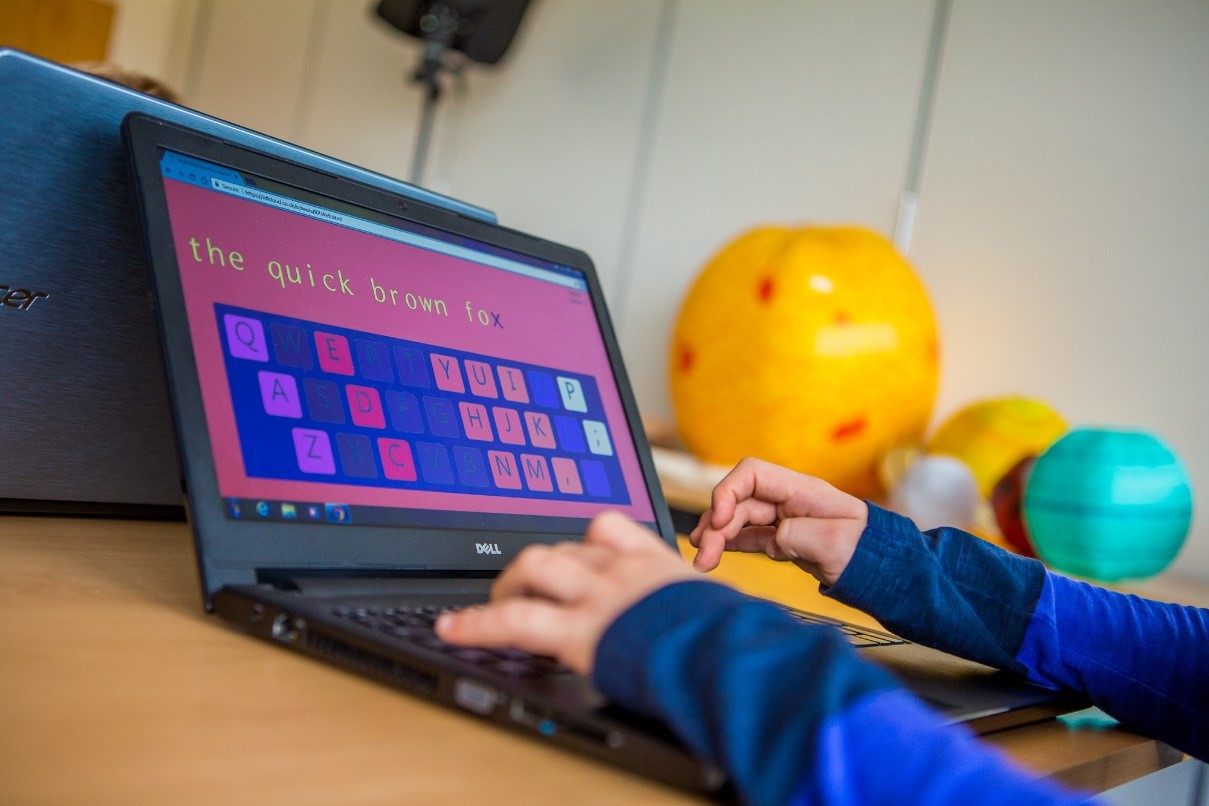
“Here at IDL we use sight sound touch and voice to improve literacy and mathematical ability as links are made between the visual auditory and tactile pathways. Our Literacy Intervention is a speaking-computer based multi-sensory system that supports learners with dyslexia and other learning difficulties to increase their reading and spelling ages. The programme was specifically designed for those with dyslexia and is used as an intervention but can also be used effectively as a school-wide literacy solution”.
For more information on IDL Literacy visit: https://idlsgroup.com/literacy