The 4 Most Common SEN and How to Accommodate Them in the Classroom
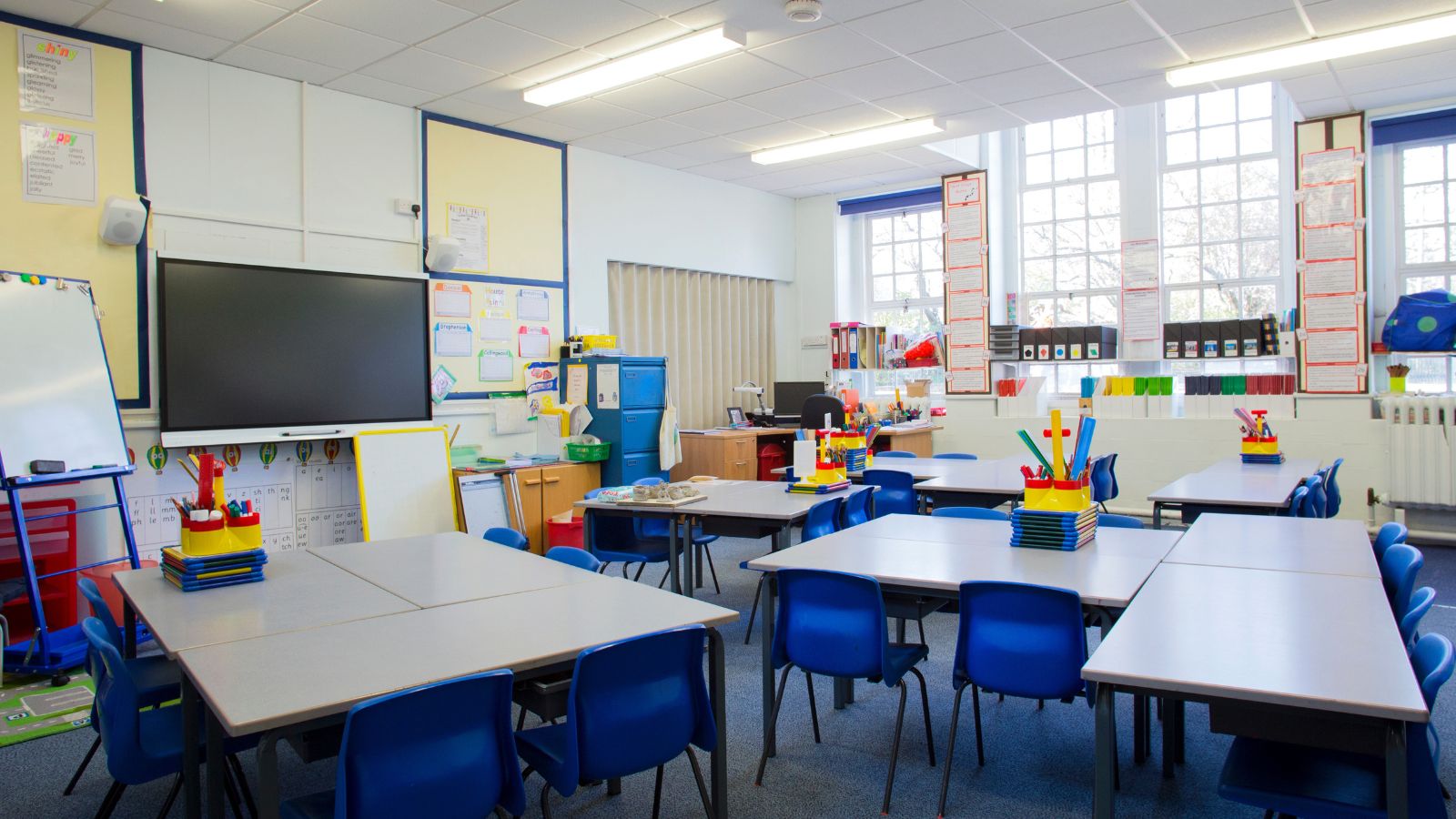
Creating an inclusive classroom is all about making sure every child feels welcome and has the support they need to succeed. This means understanding and accommodating the diverse ways children learn. Here we explore 4 common Special Educational Needs (SEN): dyslexia, dyscalculia, autism spectrum disorder (ASD) and Attention-Deficit/Hyperactivity Disorder (ADHD) and what can be done to support children with each need in the classroom.
Dyslexia
Learners with dyslexia may face challenges with reading, writing, spelling, and phonological awareness. To support these learners, teachers can provide access to assistive technology such as text-to-speech software, audiobooks and word processors with spelling and grammar checks. They can also offer alternative assessments, such as oral presentations or projects, and employ multi-sensory learning approaches that incorporate visual, auditory and kinaesthetic methods to enhance learning. Literacy programs for schools such as IDL Literacy can make a significant difference to learners who are struggling, as they boost literacy skills and increase confidence in learners with dyslexia and other literacy SEN.
Dyscalculia
Learners with dyscalculia may struggle with mathematical concepts, number sense and calculations. Effective accommodations teachers can make in the classroom include utilising visual aids to illustrate mathematical concepts, connecting maths to real-world situations to make learning more meaningful and providing access to technology such as online maths tools. Schools can utilise specialist numeracy support software such as IDL Numeracy to help learners improve their numeracy skills and build confidence in their abilities.
Autism Spectrum Disorder (ASD)
Learners with ASD may face challenges with social communication, sensory processing and repetitive behaviours. To support these learners, teachers can create a structured and predictable learning environment by minimising distractions and providing visual schedules. They can also teach social skills explicitly through the use of social stories and role-playing. Additionally, providing sensory accommodations such as sensory breaks, fidget toys and noise-cancelling headphones can be beneficial. IDL Wellbeing can benefit learners with ASD, as the programme explores areas such as adapting to deal with changes, understanding and overcoming worries and using relaxation techniques.
Attention-Deficit/Hyperactivity Disorder (ADHD)
Learners with ADHD may experience difficulties with inattention, hyperactivity and impulsivity. To support these learners, teachers can minimise distractions and create a structured learning environment by reducing visual and auditory distractions in the classroom. They can also break down tasks into smaller, more manageable chunks to help learners stay focused. Providing clear and concise instructions, utilising visual aids and organisers to improve focus and incorporating movement breaks throughout the day to help learners release excess energy are also effective strategies. IDL Literacy has been developed to reduce visual distractions though its simple interface, making it beneficial to learners with ADHD.
General Strategies for All SEN
By implementing these strategies, teachers can create a more inclusive and supportive learning environment for students with dyslexia, dyscalculia, ASD, ADHD and other special education needs.
IDL offers a range of award-winning software designed to support learners with literacy, numeracy and wellbeing. Interested? Learn more about our products and arrange a free trial for your school today!