

Hidden in Plain Sight: The Challenges Children with Dyslexia Face – and How Technology Is Helping
For many children, learning to read is a milestone filled with pride and excitement. But for young people with dyslexia, the experience can be marked by confusion, frustration and self-doubt.
While awareness of dyslexia has grown, the day-to-day challenges faced by children and teenagers often remain hidden, quietly shaping their academic progress, friendships and sense of identity.

Struggling in a System Built Around Reading
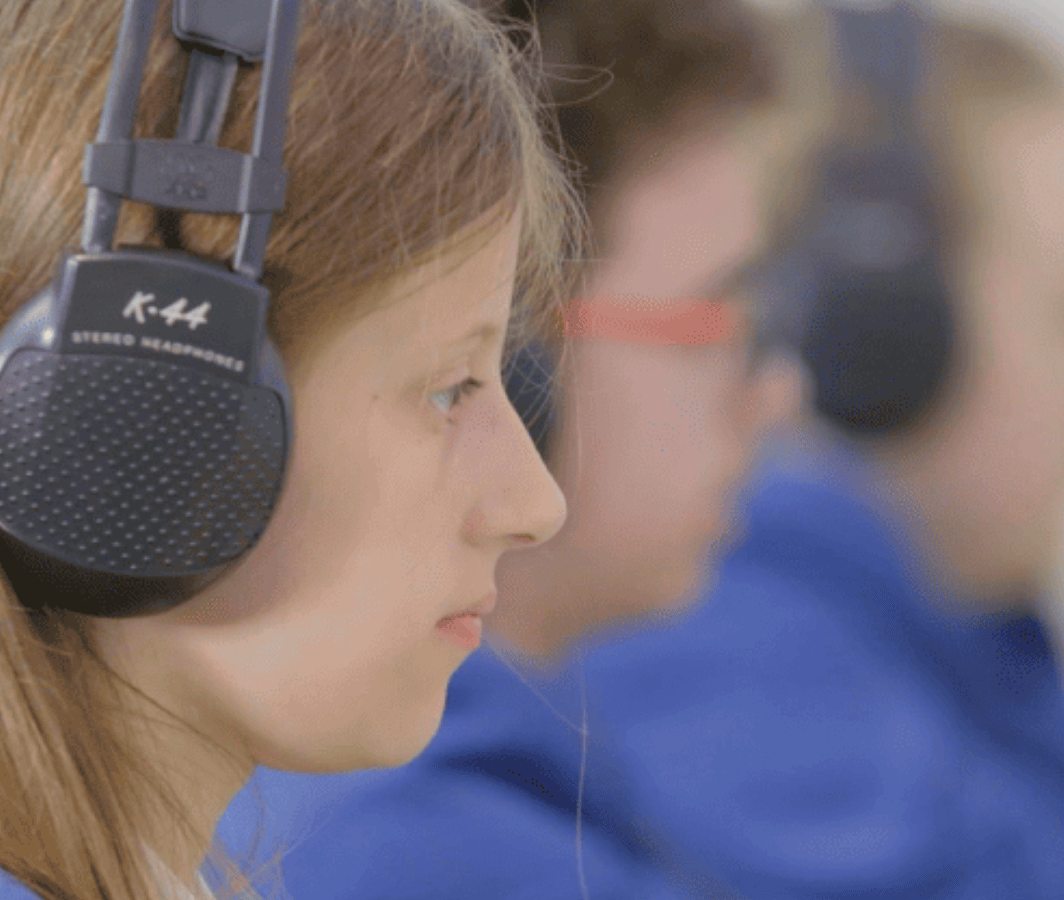
Dyslexia affects the skills needed for accurate and fluent reading and spelling and is not linked to intelligence. Many children with dyslexia are bright, articulate and imaginative, but may struggle to decode words on a page.
In the classroom, this can have ripple effects. Reading instructions, copying from the board, completing written assignments and revising for exams all require literacy skills. When reading is slow and requires a lot of effort, children must use far more mental energy than their peers just to keep up.
Over time, the gap can widen. A child who avoids reading because it feels overwhelming may miss out on vocabulary growth and background knowledge that other learners absorb naturally. By secondary school, the academic demands intensify, and so can the pressure.

The Emotional Impact on Young People
One of the most significant hidden challenges of dyslexia in children is emotional rather than academic.
Repeated experiences of difficulty can chip away at confidence and young children may begin to believe they are “not as smart” as their classmates. Teenagers may avoid participating in class discussions or reading aloud and homework can cause stress at home, leaving parents unsure how best to help.
Because dyslexia is invisible, it is sometimes misunderstood. Before identification, children may be labelled careless, inattentive or unmotivated. For some, the delay in receiving proper assessment and support means years of internalising a damaging ideas about their abilities.
Early identification and intervention are crucial. The sooner children receive structured support, the more likely they are to build strong literacy foundations and protect their self-esteem.
How Technology Is Supporting Young Learners
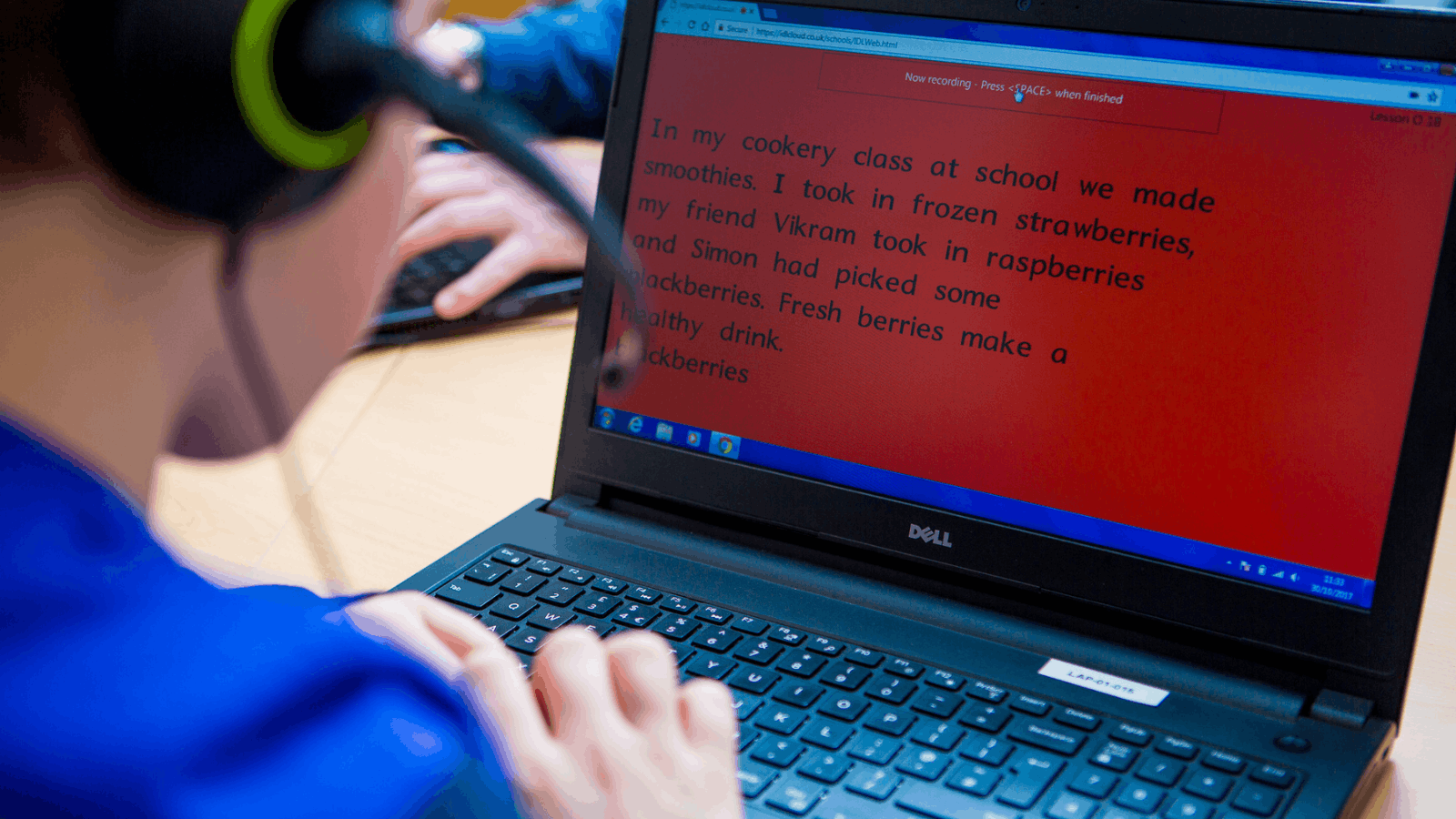
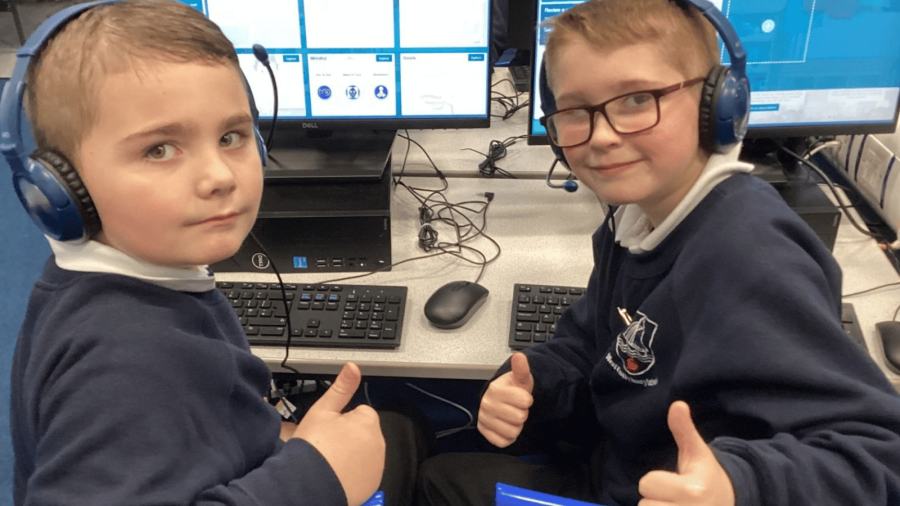
Technology has become an important ally for children and young people with dyslexia. Assistive tools such as text-to-speech readers, audiobooks and speech-to-text software allow learners to access the same curriculum content as their peers, reducing barriers while they continue developing reading skills. For teenagers in particular, these tools can help preserve independence in the classroom.
Beyond accommodations, structured literacy programs delivered through digital platforms are providing targeted intervention tailored to the way dyslexic learners process language. These programs often use multisensory teaching methods combining visual, auditory and interactive elements, to reinforce phonics, spelling patterns and language structure.
For schools managing limited specialist staff, technology-based programs can ensure more consistent support. For learners who feel self-conscious, working on a computer or iPad can feel less intimidating than one-to-one withdrawal sessions, allowing them to practise skills in a more private, confidence-building way.
Building Skills and Confidence
Effective dyslexia support must be structured, systematic and evidence-informed. Technology is most powerful when it complements skilled teaching and pastoral care.
IDL Literacy is a user-friendly software that is proven to improve reading and spelling ages in learners with dyslexia and low literacy levels. It is a structured, multisensory literacy program that breaks reading and spelling into manageable steps and providing cumulative practice with ongoing progress tracking. By using software such as IDL, learners not only to improve their literacy skills but also rebuild their confidence.
As understanding of dyslexia continues to grow, so too does recognition that the right support at the right time can change a child’s trajectory.
For children and young people living with dyslexia, the challenges may be hidden but with early intervention, informed teaching and the thoughtful use of technology, so too are the opportunities waiting to be unlocked.